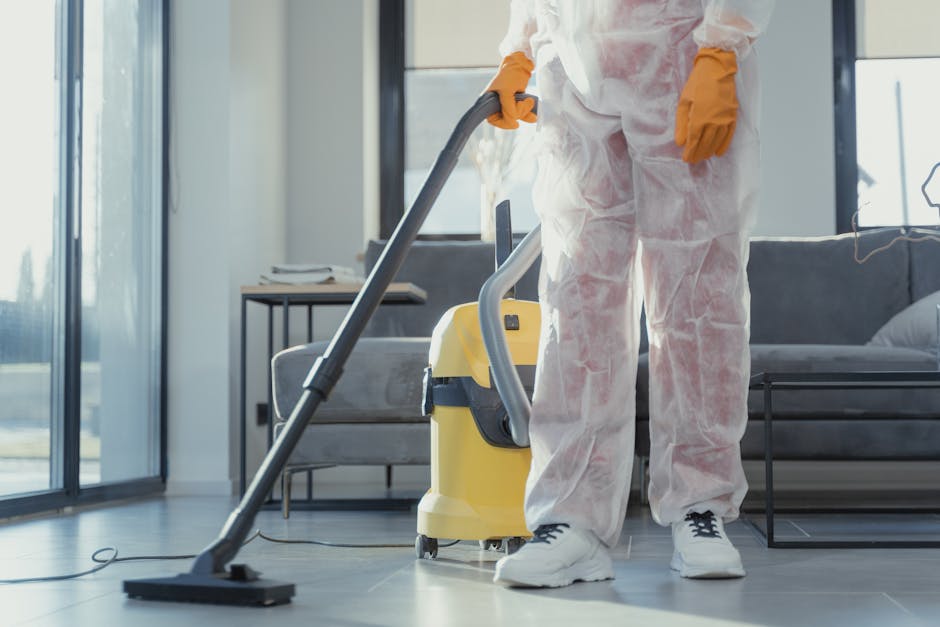
Deep cleaning checklist for rented flats across the UK 2026
If you're moving out, handing a flat back to a landlord, or just trying to get a rented place back to "properly clean" after a busy year, a deep cleaning checklist for rented flats across the UK 2026 is the thing that keeps the whole job from becoming chaotic. Let's face it, flats collect grime in odd places: the top edge of a kitchen cabinet, the seal around a shower screen, the dust line behind a radiator, the stubborn film on a hob that looked fine yesterday and somehow does not today.
This guide gives you a room-by-room checklist, explains what actually matters in a rented flat, and helps you decide whether to tackle the job yourself or bring in help. It's written for real-life UK rentals, so it focuses on the areas that most often get overlooked, the mistakes that trigger disputes, and the small details that make a flat feel genuinely reset.
Quick version? Clean top to bottom, dry to wet, inside to out. Do the obvious surfaces first, then the awkward corners, then the finishing touches. If you want a broader professional benchmark to compare against, you can also look at deep cleaning for homes and end of tenancy cleaning to understand how a more complete clean is usually approached.
Why Deep cleaning checklist for rented flats across the UK 2026 Matters
In rented flats, cleaning is never just about appearance. It affects how smoothly a move-out goes, how confident you feel at inspection, and whether the property looks cared for rather than simply "used". That matters in 2026 because tenants are increasingly expected to return homes in a condition that reflects normal wear and tear, not hidden build-up.
The real issue is that everyday cleaning and deep cleaning are not the same thing. A weekly wipe of the worktop will not solve grease on the extractor hood. A quick hoover does not remove soil trapped in carpet fibres. And a shiny bathroom mirror can hide limescale, soap residue, and mould spots in places that a landlord, letting agent, or incoming tenant will notice instantly. Why risk it?
There's also a practical side. Deep cleaning can make a flat feel calmer, brighter, and easier to photograph if you are moving, renting it out again, or simply resetting after a difficult period. You know that feeling when a kitchen stops smelling faintly of last week's cooking? Small miracle, honestly.
If you are comparing professional options, it helps to understand where the task sits alongside one-off cleaning, domestic cleaning, and specialised tasks such as oven cleaning or window cleaning.
How Deep cleaning checklist for rented flats across the UK 2026 Works
A good deep clean works in layers. First comes decluttering, because cleaning around clutter is slow and ineffective. Next comes the high-level dusting and dry debris removal. After that, you move into targeted cleaning by room: kitchen, bathroom, bedrooms, living areas, hallways, storage, and the final details that tie everything together.
For rented flats, the method matters just as much as the finish. Most problems appear in places people don't clean often enough: behind appliances, around taps, along skirting boards, under sinks, and at the edges of flooring. If you only clean what is obvious from the doorway, you miss the very spots that make a flat feel genuinely fresh.
Here is the basic working order that usually makes sense:
- Open windows if possible and gather supplies.
- Remove clutter, rubbish, old food, and anything not staying with the property.
- Dust high points first: light fittings, tops of cupboards, curtain rails, and shelves.
- Clean the kitchen and bathroom in detail, because these areas show the most wear.
- Move through bedrooms and living areas, including hidden edges and fixtures.
- Vacuum and mop floors last, once dust and residue have dropped down.
- Finish with glass, mirrors, handles, and a final walk-through.
That order is simple, but it saves time. It also avoids the classic mistake of mopping a floor and then sending crumbs, dust, and stray cleaning spray straight back onto it. Bit annoying, that.
Key Benefits and Practical Advantages
A proper checklist gives you structure, but the benefits go far beyond tidiness. In rented flats, a thorough deep clean can reduce last-minute stress, improve the overall presentation of the property, and help you spot maintenance issues before they become awkward conversations.
- Better inspection outcomes: A systematic clean reduces the chance of obvious misses like grease, limescale, or dust build-up.
- Less time wasted: Working room by room is faster than cleaning randomly and repeating areas.
- More consistent results: You are less likely to forget the awkward spots.
- Lower dispute risk: A cleaner property gives everyone a clearer baseline at handover.
- Healthier living space: Removing dust, stale odours, and residue makes the flat feel better immediately.
There is also a confidence benefit that people underestimate. When you know the flat has been cleaned methodically, you stop second-guessing yourself. That matters on moving day, especially when you are already dealing with keys, boxes, meter readings, and the small panic of "did I pack the kettle?".
For stubborn floor finishes, carpeted rooms, or mixed surfaces, professional help can be useful. Services such as carpet cleaning, hard floor cleaning, and rug cleaning can make a very noticeable difference in a rental.
Who This Is For and When It Makes Sense
This checklist is for anyone in a rented flat who needs a serious clean rather than a surface tidy. That includes tenants moving out, tenants moving in, flatshares that have become a bit too lived-in, landlords preparing a property, and letting agents who want a predictable standard before a viewing or inspection.
It especially makes sense if any of the following are true:
- the flat has not had a detailed clean for several months;
- there are cooking smells, pet odours, or lingering dust;
- bathroom grout, taps, or seals look dull or stained;
- there are carpet marks, sofa crumbs, or floor scuffs;
- you are short on time and need a plan that actually works.
If you're in a smaller flat, people sometimes assume the job will be easy. True, it can be quicker than a house, but compact spaces often have more build-up per square metre because kitchens and bathrooms get hammered. One person cooking daily in a studio can create more grease and condensation issues than a whole family in a bigger home. Strange, but common.
When the property has just had decorating or repairs, it may also be worth looking at after builders cleaning if dust has spread into vents, skirting boards, and fittings.
Step-by-Step Guidance
This is the part you can actually use. The goal is not to clean harder; it is to clean in a way that covers the right places in the right order.
1. Start with decluttering and rubbish removal
Bag up bin waste, expired food, empty bottles, broken items, old hangers, and anything not staying in the flat. Clear counters, bathroom shelves, and floors. You cannot properly clean around clutter, and in small rented flats clutter makes rooms look dirtier than they really are.
2. Dust high and dry surfaces first
Work from top to bottom. Wipe light shades, curtain rails, wardrobe tops, picture frames, extractor covers, ceiling corners, shelves, and skirting boards. If you skip this step, dust drops later onto freshly cleaned areas. A bit maddening, but entirely avoidable.
3. Deep clean the kitchen
The kitchen is usually the hardest room. Tackle it in sections:
- inside and outside cupboards;
- worktops and splashbacks;
- sink, taps, plughole, and sealant;
- hob, cooker hood, and splash grease;
- inside microwave, fridge, and freezer if they are included;
- behind and under small appliances;
- plinths, handles, and bin area.
Grease and food residue are the main problems here. A normal all-purpose wipe often isn't enough, especially near hobs and extractor areas. If the oven is part of the handover, a dedicated oven cleaning service may be worth considering because baked-on residue can be surprisingly stubborn.
4. Deep clean the bathroom
Bathrooms need detail, not speed. Focus on:
- toilet exterior, base, seat, hinges, and behind the pan;
- sink, taps, overflow, and underneath the basin;
- shower glass, screen tracks, tray, and tile grout;
- bath edges, plugs, and silicone seals;
- mirrors, shelves, and cabinets;
- floor corners and the area behind the door.
Watch for limescale, soap scum, and mildew around seals. These aren't just cosmetic. They make a clean bathroom look unfinished, even if the rest is fine.
5. Clean bedrooms and living areas properly
These rooms are more forgiving, but they still need a methodical clean:
- dust bedside tables, radiators, shelves, and skirting boards;
- clean inside wardrobes and drawers;
- vacuum under beds and around furniture legs;
- wipe light switches, handles, and plug sockets externally;
- remove marks from walls where safe to do so;
- freshen curtains, blinds, sofas, and soft furnishings if needed.
If upholstery is part of the issue, especially in furnished flats, upholstery cleaning can help remove embedded dust, spills, and lived-in odours. Same goes for one tired armchair that somehow absorbs every smell in the room. You know the one.
6. Don't forget floors, edges, and transitions
Vacuum carpets slowly and in overlapping passes. Move light furniture if you can. Sweep and mop hard floors, including corners, thresholds, and the edge where floor meets skirting. If there are mixed flooring types, clean them according to the material, not with one blanket approach. A lot of damage comes from using the wrong product on the wrong surface.
7. Finish with glass, shine, and final checks
Clean mirrors, interior glass, windows, taps, chrome fittings, and visible smears on appliance doors. Then do one last pass with the lights on. That final walk-through, especially at dusk or early evening, often reveals streaks and missed marks you didn't see in daylight.
Expert Tips for Better Results
A few small habits make a big difference. In our experience, the best deep cleans are rarely the most complicated; they are the most organised.
- Use the right cloth for the right job. Microfibre is great for dust and light grease, but separate cloths for bathroom and kitchen areas keep things cleaner and less cross-contaminated.
- Let products dwell briefly. Spray, wait a minute, then wipe. That pause often does more work than extra scrubbing.
- Work in natural sections. One cupboard run, one wall section, one shower panel. It keeps you focused.
- Check touch points. Handles, switches, banisters, and door edges get handled constantly and are easy to forget.
- Use warm water carefully. It helps with grease, but too much water on laminate, wood, or electrics is asking for trouble.
One odd little tip: keep a dry cloth in your pocket or nearby during the final pass. It is brilliant for catching surprise drips after taps or mirrors are cleaned. Not glamorous, but effective.
If you want to pair a deep clean with a more regular upkeep plan, a one-off cleaning visit or ongoing domestic cleaning can stop the flat reaching that "needs a weekend and a strong coffee" stage.
Common Mistakes to Avoid
The biggest cleaning mistakes in rented flats are usually about order, not effort. People work hard and still miss the important bits.
- Cleaning in the wrong sequence: If you mop before dusting shelves and skirting, you'll just chase dust around.
- Ignoring hidden areas: Behind appliances, under sinks, behind bins, and around toilet bases are often where complaints start.
- Using one product for everything: Some surfaces need gentle treatment. Others need degreasing. Some need specialist care. One spray bottle is not a personality, despite what the label suggests.
- Leaving cleaning too late: Trying to deep clean on moving day is stressful and usually rushed.
- Over-wetting soft materials: This can leave odours, slow drying, and even marks on carpets or upholstery.
- Forgetting the final inspection: You need a slow, honest look round, preferably after a short break.
A lot of disputes come from visible missed areas rather than real damage. So be thorough, but also sensible. If something is beyond normal cleaning, note it rather than trying to scrub it into submission.
Tools, Resources and Recommendations
You do not need a van full of gear, but the right kit makes the job quicker and cleaner. A sensible rented-flat deep clean kit usually includes:
- microfibre cloths in several colours;
- vacuum cleaner with crevice and upholstery attachments;
- mop and bucket or spray mop;
- soft brush and detail brush;
- degreaser suitable for kitchen surfaces;
- bathroom cleaner for limescale and soap residue;
- glass cleaner;
- non-scratch sponge;
- rubber gloves;
- bin bags and storage boxes for decluttering.
For tricky flooring, specialist help may be more efficient than trying to do everything by hand. Services like hard floor cleaning, carpet cleaning, and rug cleaning are often the right call when the surface needs more than standard maintenance.
If windows are letting in the light but still showing streaks, window cleaning can lift the whole flat. It is one of those final touches people notice more than they expect.
For sustainability-minded tenants, using refillable bottles, washable cloths, and a more measured product routine can reduce waste without compromising the clean. If that matters to you, the company's recycling and sustainability page is worth a look for its general approach to responsible service delivery.
Law, Compliance, Standards, or Best Practice
Cleaning a rented flat in the UK is not usually a legal maze, but there are a few best-practice points worth keeping in mind. The key principle is fairness: you are normally expected to return the property in a reasonably clean condition, allowing for normal wear and tear. What counts as "reasonably clean" can depend on the condition you inherited, the length of the tenancy, and the property's general state.
To stay on safer ground, document the clean. A simple photo set of the kitchen, bathroom, floors, appliances, and any problem areas can help if there is a later disagreement. Keep receipts if you use professional cleaning services too. That is just sensible, really.
Also check your tenancy agreement before you assume anything. Some agreements specify cleaning expectations, especially around carpets, ovens, or furnished items. If the property contains landlord-owned furniture, treat it carefully and avoid aggressive methods on delicate materials.
From a safety perspective, use products as directed, ventilate rooms, and never mix chemicals. In a cramped flat, fumes can build up faster than people think. Open a window, take a breather, and don't rush a job just because the removal van is booked.
Professional cleaning businesses should also handle matters like insurance and safe working practices properly. If you are comparing providers, it is sensible to review pages such as insurance and safety, health and safety policy, and terms and conditions so you understand how the service is run.
Options, Methods, or Comparison Table
There are usually three realistic ways to approach a rented-flat deep clean: do it yourself, split it across a few days, or hire professional help for the heavy lifting. The best choice depends on time, condition, and your own tolerance for scrubbing an oven at 9pm. We've all been there, or close enough.
| Approach | Best for | Pros | Cons |
|---|---|---|---|
| DIY deep clean | Smaller flats, lighter build-up, flexible timelines | Lower direct cost, full control, easy to personalise | Time-consuming, easy to miss hidden spots, physically tiring |
| Staged clean over several days | Busy tenants who can clean in sections | Less stressful, more manageable, better attention to detail | Requires planning and storage space while working through rooms |
| Professional clean | Move-outs, furnished flats, heavy build-up, time pressure | Efficient, thorough, useful for stubborn areas and finishes | Higher upfront spend, needs booking and availability |
If you are weighing up value rather than just price, look at the time saved, the quality of the finish, and how much stress it removes from moving week. The cheapest option is not always the best buy if it leaves you redoing half the job later.
For service planning, a page like pricing and quotes can help you understand how a professional service may be structured before you commit.
Case Study or Real-World Example
A typical example: a two-bedroom rented flat in Manchester, lived in for nearly three years, with a small kitchen, one bathroom, and fitted carpet in the bedrooms. Nothing catastrophic, just the usual build-up. Light grease around the hob. Dust on cupboard tops. A faint smell from the fridge area. Shower glass with mineral marks. Carpets that looked "fine" until the afternoon sun hit them.
The tenant started with decluttering and a bin run, then did the kitchen first while energy was high. The oven got its own session, because trying to squeeze that into the final hour would have been a bad idea. Bathroom next. Then bedrooms, then living room, then a last floor pass. A few marks on walls stayed put because they were paint damage, not dirt. That distinction matters. Cleaning is cleaning; repainting is another job entirely.
By the end, the flat looked calmer, brighter, and a lot more neutral. No magic. Just steady work and the right order. The tenant later said the difference was less about sparkle and more about "it finally felt handed back properly". That's usually the goal, really.
If a similar flat had been furnished and heavy on soft materials, upholstery and carpet would likely have needed extra attention through upholstery cleaning and carpet cleaning.
Practical Checklist
Use this as your final room-by-room sweep. Print it, copy it into your notes app, or tick it off as you go. Simple is good here.
- Before you start: clear clutter, bin rubbish, open windows, gather supplies.
- Kitchen: clean cupboards inside and out, worktops, splashbacks, sink, taps, hob, extractor, appliances, plinths, and corners.
- Bathroom: scrub toilet, sink, bath, shower, glass, tiles, grout, seals, mirrors, and floor edges.
- Bedrooms: dust shelves, wardrobes, skirting boards, lights, radiators, and vacuum under beds.
- Living room: wipe switches and handles, vacuum soft furnishings, clean glass, and check behind furniture.
- Floors: vacuum carpets slowly, mop hard floors, and clean thresholds and edges.
- Finishing touches: mirrors, doors, handles, taps, and visible fingerprints.
- Final check: walk through with all lights on and look at the flat as if you were seeing it for the first time.
Expert summary: The best rented-flat deep clean is not the one with the most products; it is the one that starts with clutter, works top to bottom, and never misses the hidden grime at the edges.
If you want to prepare the property for a full handover and not just a quick tidy-up, an end of tenancy cleaning approach is often the nearest professional match to this process.
Get a free quote today and see how much you can save.
Conclusion
A good deep cleaning checklist for rented flats across the UK 2026 is less about perfection and more about order, consistency, and knowing where problems hide. When you clean the right way, the flat looks fresher, feels easier to live in, and gives you a much stronger chance of a smooth inspection or handover.
The main lesson is straightforward: don't rush, don't guess, and don't leave the awkward spots until the end. Start high, work low, finish with the details, and check the places no one notices until they do. If that sounds like a lot, fair enough. It is. But it is manageable, and once you've done it properly, the difference is obvious.
And honestly, there is something quietly satisfying about closing the door on a freshly cleaned flat and knowing it looks cared for. That little moment stays with you.
Frequently Asked Questions
What should be included in a deep cleaning checklist for a rented flat?
It should cover every room plus the hidden spots: kitchen cupboards, oven, hob, sink, bathroom grout, shower glass, skirting boards, light switches, floors, windows, and the spaces behind or under furniture and appliances.
Is deep cleaning the same as end of tenancy cleaning?
Not exactly. Deep cleaning is the broader cleaning method, while end of tenancy cleaning is usually a more handover-focused version aimed at returning the property in a presentable condition for inspection or move-out.
How long does a deep clean of a rented flat usually take?
It depends on size and condition. A small, tidy flat may take a few hours, while a more neglected or furnished property can take much longer. The amount of kitchen grease and bathroom build-up often changes the timetable more than people expect.
Do I need professional cleaning before moving out?
Not always, but it can be sensible if time is tight, the flat is heavily used, or there are stubborn areas like ovens, carpets, or upholstered furniture. If you do it yourself, keep it methodical and document the finish.
What areas do tenants most often forget to clean?
Behind radiators, tops of cupboards, under sinks, extractor hoods, toilet bases, door handles, skirting boards, and window tracks are the usual culprits. These small misses add up fast.
Should I clean carpets and curtains as part of a deep clean?
Yes, if they are part of the property condition and have picked up dust or marks. Carpets and soft furnishings can change the whole feel of a flat, so they are worth proper attention.
Can I use the same cleaner in the kitchen and bathroom?
You can use some all-purpose products, but it's better to use the right product for each area. Bathrooms often need help with limescale and soap residue, while kitchens usually need a stronger degreaser.
What is the best order to deep clean a flat?
Declutter first, then dust high areas, clean bathrooms and kitchens, move through bedrooms and living spaces, and finish with floors and glass. That order avoids re-cleaning the same surfaces.
How do I make a rented flat smell clean without masking odours?
Remove the source of the smell first: bins, fridge residue, damp cloths, drains, and soft furnishings that have absorbed odours. Fresh air helps, but real cleaning is what changes the smell long-term.
What if there are marks or damage that cleaning won't remove?
Don't keep scrubbing forever. If it is paint damage, wear, staining, or a scuffed surface, note it clearly. Cleaning can only do so much, and pretending otherwise usually wastes time.
How can I tell if my rented flat is clean enough for handover?
Do a final walk-through with the lights on and check the property as if you were seeing it for the first time. If you can spot dust, grease, streaks, or residue from the doorway, the flat probably needs another pass.
Where can I learn more about related cleaning services?
You can compare service types such as deep cleaning, one-off cleaning, and end of tenancy cleaning to see which option best fits your situation.